Skip to content

Theme Primer for Playschool (January 2026): WINTER WONDER

What’s in this primer

  1. Big picture Ideas and related concepts to touch on during various activities throughout the month.
  2. A monthly progression with weekly subthemes that build on previous learnings
  3. Weekly plans with activity suggestions for ITE, Science, Literacy, Numeracy, and Art sessions
  4. A list of theme related projects
  5. Resources (these resources have been organised into weekly plan)

Big Picture Ideas and Concepts

Our bodies are clever—they notice when it's cold and do things automatically to help us stay warm.

Concepts:

  • When we're cold, we shiver (our muscles shake to make heat)
  • We get goosebumps when we're chilly
  • Our nose and cheeks turn pink or red in cold air
  • Our skin can feel dry and need extra care in winter
  • We feel hungrier when it's cold because our body needs more energy
  • We naturally curl up or huddle when we're cold
  • Our hands and feet get cold first (blood goes to protect our tummy and heart)
  • Breath becomes visible (like a little cloud) when we breathe in cold air

Domains & Competencies:

  • Physical Development: Health & Self-Care; Body Awareness
  • Cognitive Development: Scientific Thinking; Critical Thinking & Reasoning
  • Approaches to Learning: Learning Strategies (Sensory Exploration)
Living things can't go to the shop to buy a jacket—they have built-in ways to survive when it gets cold.

Animal adaptations:

  • Some animals have thick fur that traps warm air close to their skin
  • Some animals have a layer of fat called blubber (seals, whales)
  • Birds fluff up their feathers to trap warm air
  • Some animals grow thicker coats in winter and shed them in summer
  • Penguins huddle together in groups to share warmth
  • Some animals sleep through winter (hibernation—bears, hedgehogs)
  • Some birds fly to warmer places when winter comes (migration)
  • Some animals store food before winter arrives
  • Animals change what they eat—some gather and store nuts and seeds

Domains & Competencies:

  • Cognitive Development: Scientific Thinking; Critical Thinking & Reasoning
  • Language & Communication: Oral Communication (Vocabulary Development)
  • Approaches to Learning: Learning Disposition & Mindset (Curiosity and inquiry)

Unlike animals born with fur or blubber, humans use their thinking and making skills to create warmth, choose warming foods, and take care of their bodies in winter.

Creating warmth:

  • We wear layers of clothes to trap warm air (like animal fur)
  • We use blankets and quilts made from soft, warm materials
  • People who live in very cold regions build houses and shelters that keep cold air out
  • We make fire to create heat
  • We close windows and doors to keep warmth inside
  • We invented heaters and warm water for bathing

Eating and drinking for warmth:

  • Hot soups and stews warm us from the inside
  • Some foods give us more energy to stay warm (nuts, ghee, warming spices)
  • Certain fruits and vegetables grow best in winter
  • Hot drinks like milk with turmeric or chai warm our bodies
  • Our bodies crave warm, comforting foods when it's cold

Taking care of our bodies:

  • Our skin needs extra moisture (lotions, oils) when air is dry
  • Drinking water is still important even when we don't feel thirsty
  • Washing hands helps us stay healthy (cold season brings sniffles)
  • Covering up when going outside keeps us comfortable
  • Warm baths feel especially nice in winter
  • Rest and sleep help our bodies stay strong
  • Playing in morning sun feels good and gives us vitamin D

Domains & Competencies:

  • Cognitive Development: Executive Function (Planning and organization); Critical Thinking & Reasoning
  • Physical Development: Health & Self-Care; Nutrition Awareness
  • Practical Life Skills & Autonomy: Personal Responsibility & Self-Management

People look at how animals and plants solve problems and copy their clever ideas to make things that help us.

Concepts:

  • Warm jackets with fluffy filling work like bird feathers
  • Fuzzy blankets copy how fur traps air
  • Some houses are built underground to stay warm (like animal burrows)
  • Wool from sheep keeps us warm just like it keeps sheep warm
  • Mittens keep fingers together to share warmth (like penguin huddles)
  • Thermal flasks keep drinks warm like blubber keeps animals warm

Domains & Competencies:

  • Approaches to Learning: Creative Thinking and Expression (Design thinking; Innovation)
  • Cognitive Development: Scientific Thinking (Systems thinking)
  • Language & Communication: Oral Communication (Vocabulary Usage)

Winter isn't random—it happens at the same time each year because of how Earth moves, but not all places experience winter the same way.

Why winter happens:

  • There are seasons that repeat in a pattern each year
  • Earth is like a ball that tilts as it goes around the sun
  • When our part of Earth tilts away from the sun, we get less sunlight and it's cooler
  • Days are shorter in winter (it gets dark earlier)

Winter in different places:

  • Mumbai has mild, cool winters with no snow
  • Mountains like in Himachal get snow because they're very high and cold
  • Some places have winter when we have summer (other side of the Earth)
  • Places near the sea (like Mumbai) don't get as cold
  • Mornings can be foggy and misty in Mumbai's winter

Domains & Competencies:

  • Cognitive Development: Scientific Thinking; Executive Function (Time concepts)
  • Language & Communication: Literacy Skills (Information literacy)

Water changes form when it gets cold—it can turn solid, float in the air as fog, or fall from the sky as snow.

Concepts:

  • Water freezes and becomes ice when it's very cold
  • Snow is tiny ice crystals that fall from clouds
  • Each snowflake has a special pattern (like a star)
  • Ice can melt back into water when it warms up
  • Dew appears on grass and leaves on cold mornings
  • Fog is like a cloud that touches the ground
  • Mist floats in the air on cool Mumbai mornings

Domains & Competencies:

  • Cognitive Development: Scientific Thinking (Observation; Experimentation)
  • Approaches to Learning: Learning Strategies (Sensory Exploration)

People all over the world tell stories about winter and have special ways of celebrating the season together.

Concepts:

  • Many cultures have stories explaining why winter comes
  • Winter festivals often involve lights and fire (because days are shorter)
  • Makar Sankranti/Pongal celebrates winter harvest and longer days returning
  • Stories teach us lessons (like "The Candle Power" story about patience and wisdom)
  • Families gather together for warmth and celebration
  • Different countries have different winter traditions
  • Fire and light are important symbols in winter celebrations

Domains & Competencies:

  • Language & Communication: Literacy Skills (Literary analysis); Oral Communication
  • Social & Emotional Development: Identity & Self-Concept (Cultural identity); Social Skills
  • Creative Arts & Expression: Dramatic Arts & Storytelling

Monthly Progression

What is winter? How does it feel?

Kids begin with sensory exploration of winter—feeling cold water on skin, noticing goosebumps, observing their breath in cold air. They touch and compare warm and cool materials, notice morning fog, and build vocabulary for winter sensations. Through movement and sensory activities, they notice how their bodies respond to getting hot or cold.

How do animals handle the cold?

Kids wonder about animals—what about animals who live outside all the time? They discover animals have built-in tricks: thick fur, blubber, hibernation, and migration. Through experiments (blubber glove, wide feet in snow) and den-building activities, they explore how animals are adapted to survive winter.

How do people stay warm?

Kids notice that unlike animals, we don't have thick fur or blubber. So what do we do? They explore how humans copy animal ideas—wool from sheep works like fur, layering clothes traps air like feathers, mittens keep fingers together like penguin huddles. They also learn about caring for their bodies in winter—moisturising dry skin, eating warming foods, staying healthy.

Water does interesting things when it's cold

Kids explore how cold changes water—making ice, frost, fog, and mist. They do melting experiments, observe frozen bubbles, and play with ice sensory activities. They connect this to their bodies (we sweat, we breathe out warm moist air) and to animal survival in icy places.

Weekly Plans

Activity suggestions for the week:

Activity suggestions for the week:

Projects

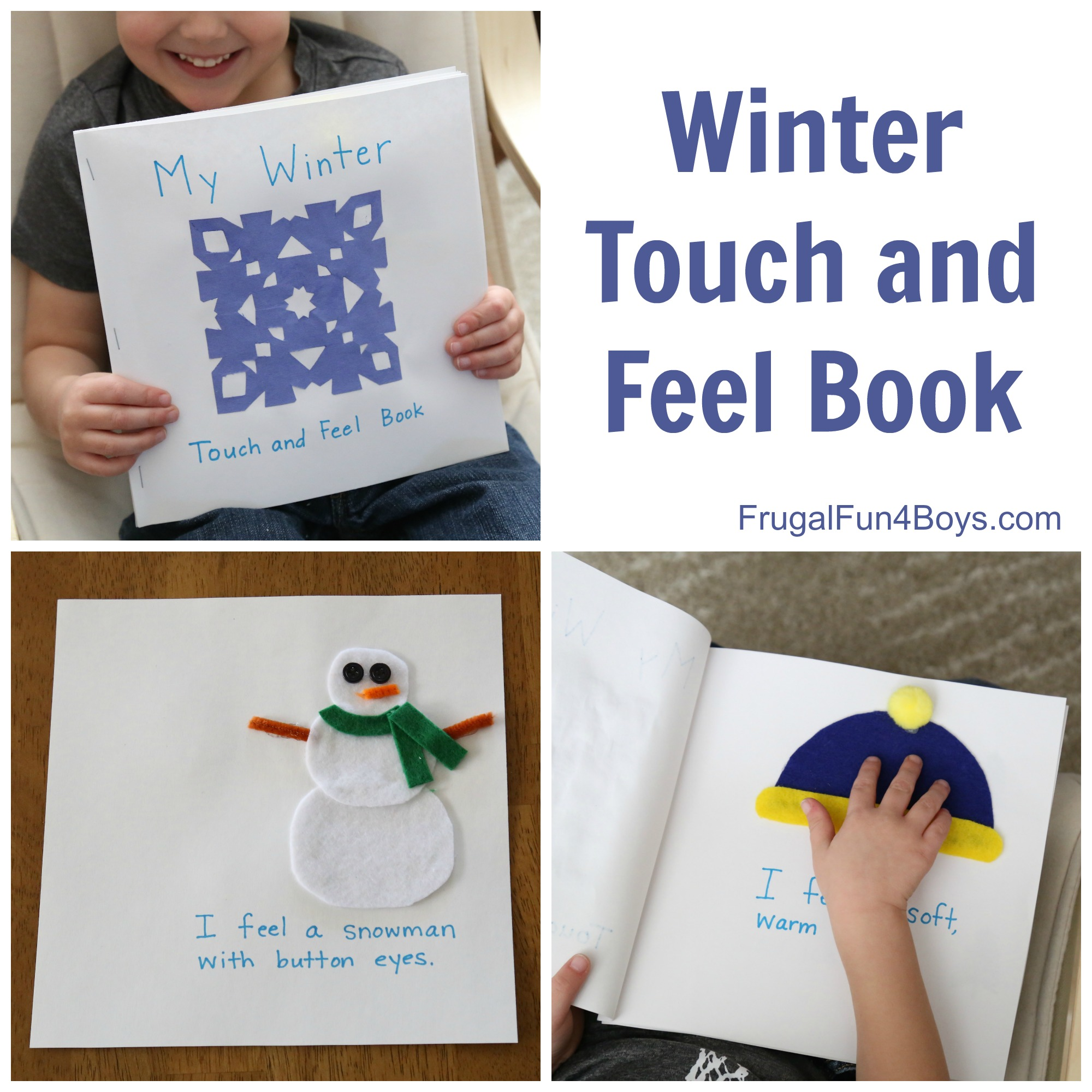
1. Comini Winter Wonder Touch and feel Book

Throughout the month kids and facilitators can create a touch and feel book about all things winter. Could use a range of tactile materials (wool strings, foil paper, butter paper, fabric scraps, sand, rice etc). Comini touch and feel book could be about winter things that are particular to Mumbai winter and not a snowy winter, things that kids relate winter to.

Touch and feel book

2. Building winter hibernation dens

Invite kids to build dens for toys animals using natural or household materials that are warm and cozy to the touch. This can be explored both as an outdoor (at the park) activity and an indoor activity.

Thematic Resource Bank